18 Tiny Things That Make You Look Cheap
Two identical outfits, same person, same brand: the one styled with chipped nails, lint on the blazer, and a frayed hem reads cheaper than the cleaned-up version, every time. The clothes never changed.
Eighteen small things below are that same effect playing out in everyday closets. Each is fixable in under five minutes with no purchase required. The first six address items you already own, the next six cover footwear and almost-there finishes, and the last six handle the small visible misses most people stop noticing on themselves. For the positive counterpart, our 15 style rules that make you look expensive guide covers the visual principles that lift an outfit upward rather than just the maintenance that keeps it from collapsing.
Garment care lapses (01-06)
The first six are about items you already own and how you maintain them. Looking expensive is mostly about what you do with your existing closet, which is the entire premise of our old money summer outfits rotation. Fix these six and the rest of your wardrobe starts working harder.
1. Neglecting Leather Conditioning
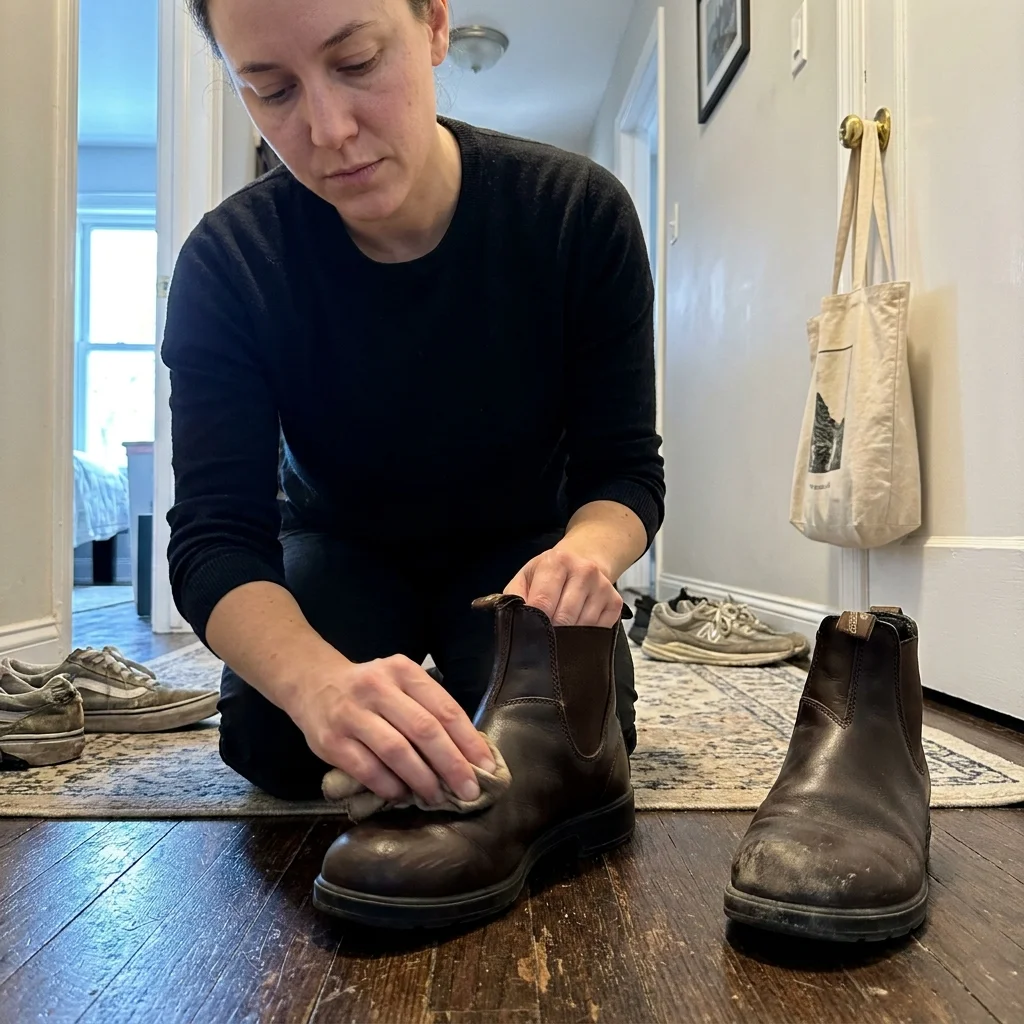
Your outfit might be flawless, but scuffed shoes instantly ruin the illusion of luxury. When you ignore basic leather maintenance, your footwear looks tired and neglected. Take a few minutes to polish your shoes and restore their original luster. The same principle applies to the leather pieces that anchor most of our best 2026 shoe trends coverage.
2. Sporting Chipped Manicures

Holding a coffee cup or shaking hands draws immediate attention to your nails. When you walk around with chipped polish, it signals a lack of attention to detail. You always look more refined with bare, clean nails than flaking color.
3. Ignoring Undergarment Silhouettes

Visible panty lines or brightly colored bra straps peeking out from under thin shirts distract from your overall look. When you fail to match your foundation garments to your outfit, your expensive clothing suddenly looks unrefined. Start with the right size on the most visible layer, which our bra fit guide walks through with a calculator and seven-point fit test.
4. Skipping the Garment Steamer
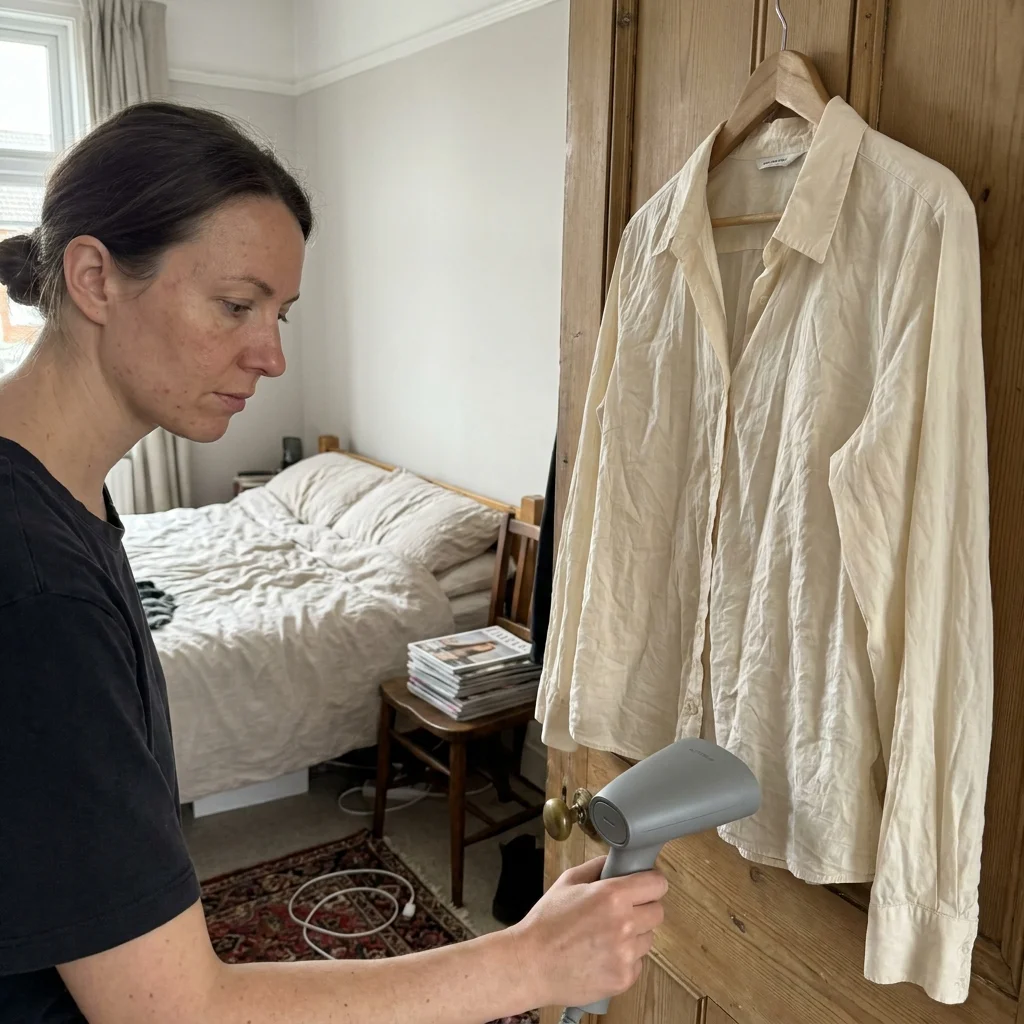
Pulling a shirt straight from the laundry basket guarantees a messy appearance. Deep creases and wrinkled hems make even designer pieces look like bargain bin finds. Taking two minutes to steam your clothes completely transforms your daily presentation.
5. Overlooking Fabric Pilling

Those tiny fuzz balls accumulating under your arms and along your sweater collar scream low quality. When you wear knitwear heavily covered in friction pills, your outfit loses its crispness. A simple fabric shaver fixes this issue in seconds.
6. Carrying Tarnished Hardware
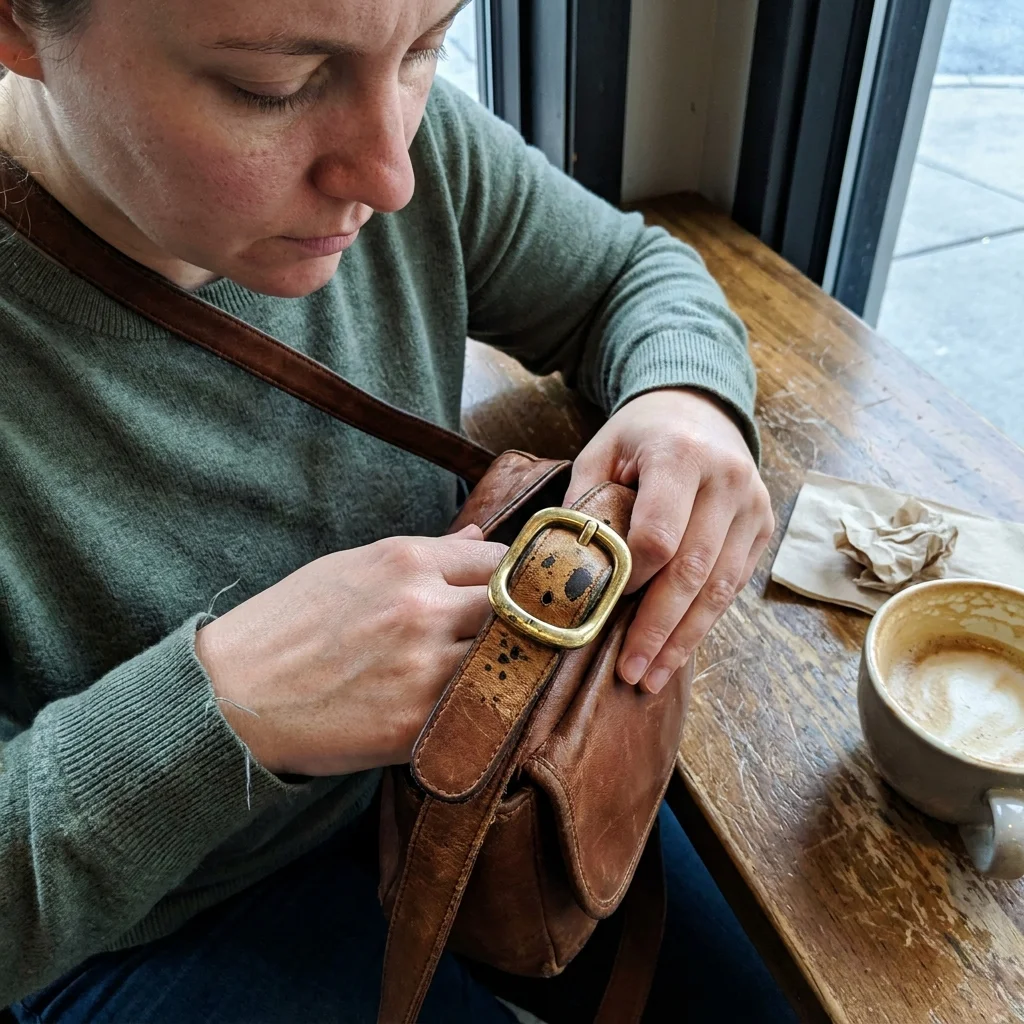
The metal clasps and zippers on your accessories command attention. When those brass or silver details become scratched, oxidized, or faded, they immediately downgrade your entire outfit. Regular polishing keeps these metallic accents shining. Heritage hardware does serious visual work in our old money styling for Black women guide, where every piece is chosen for its finish.
Footwear flaws and almost-there finishes (07-12)
The next six are the items that look fine at a glance and reveal themselves on closer inspection: heel wear, tack stitches, scuffs, threads, faded dyes. Same proportion-and-detail thinking carries through our styling tips for petite women sibling guide, where minor fit details decide the whole effect.
7. Walking on Worn Heel Caps
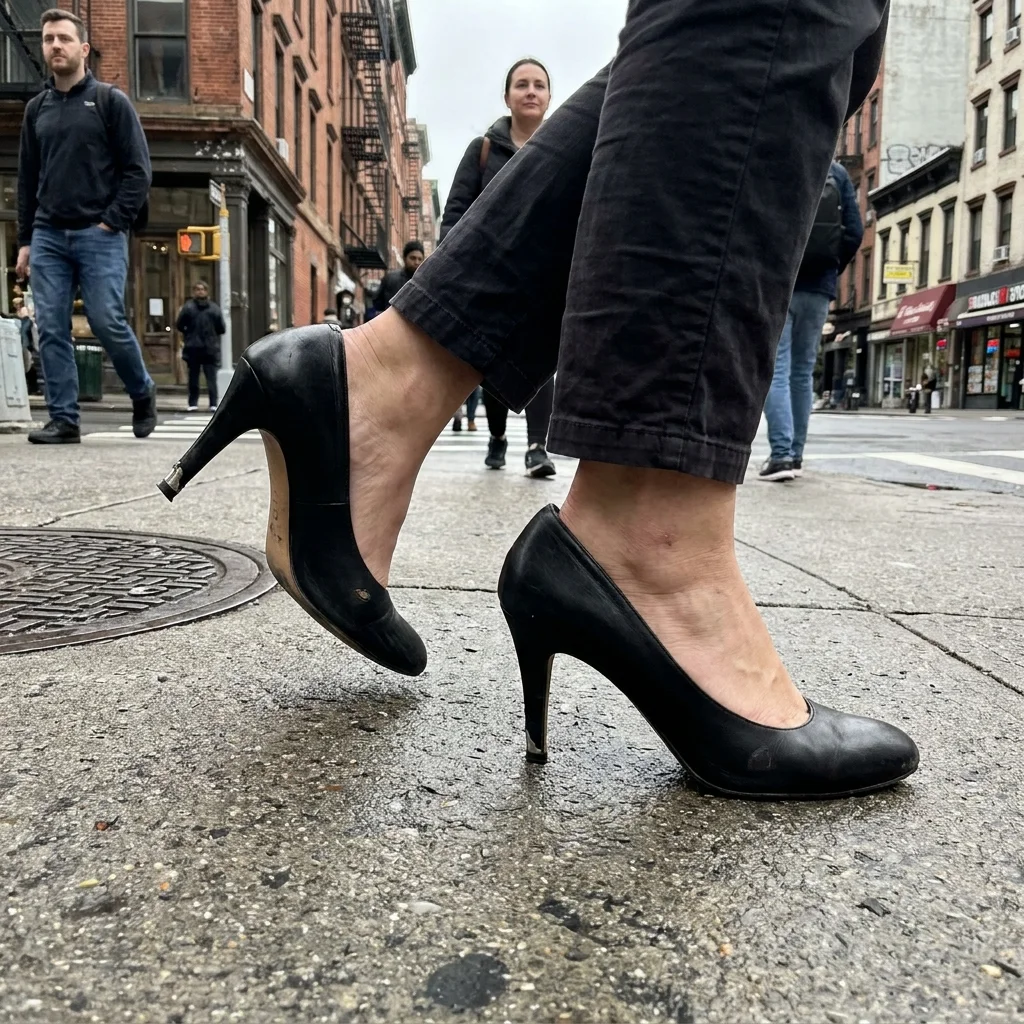
That clicking sound of exposed metal on pavement reveals more than just a well-loved pair of shoes. Allowing the rubber caps on your stilettos or boots to wear down completely damages the shoe structure and ruins a polished appearance.
8. Leaving Tack Stitches Intact
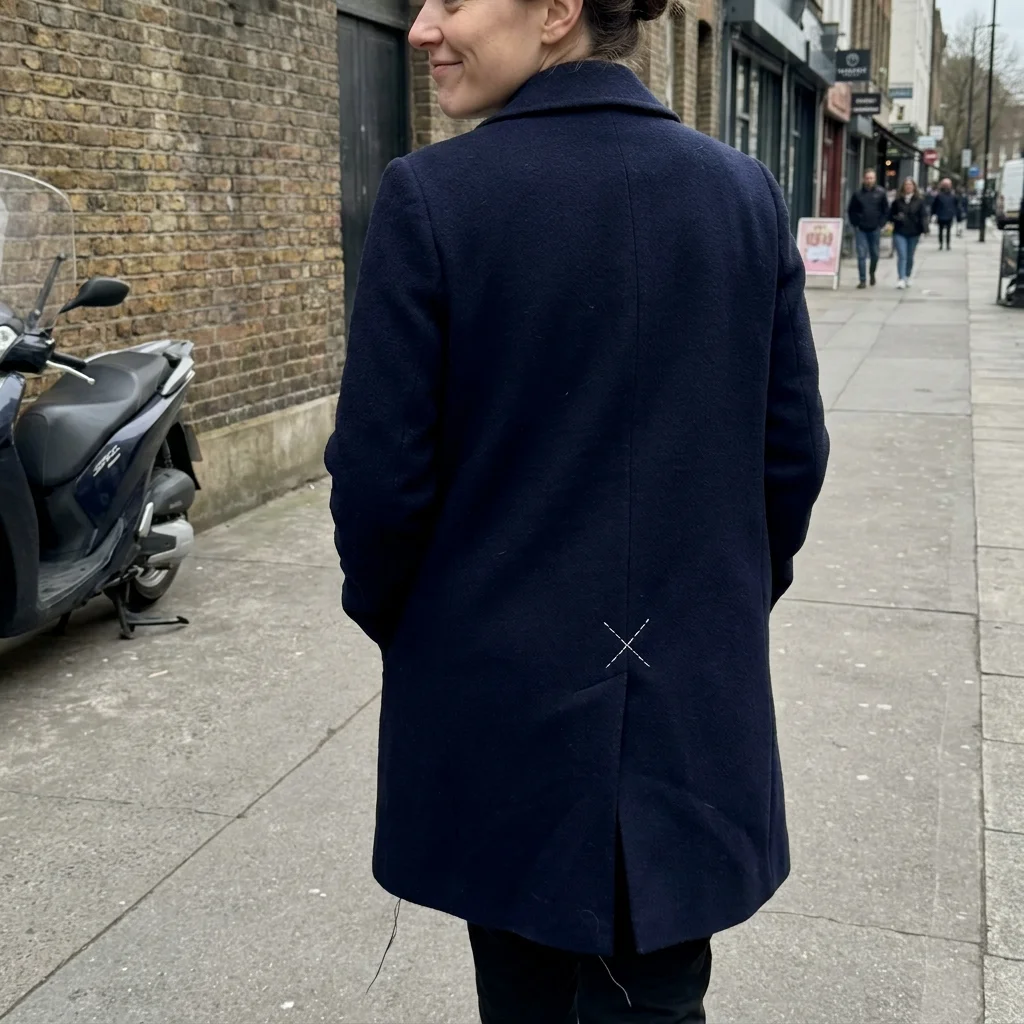
Those small crisscross threads holding your new coat vents closed are strictly for shipping purposes. Forgetting to snip them restricts your movement and creates an awkward bunching effect that broadcasts a lack of style awareness.
9. Accumulating Pet Hair and Lint

A beautifully tailored dark suit loses all its sophistication when covered in white fuzz or pet fur. Keeping a sticky roller by your front door ensures you never leave the house looking unkempt.
10. Sporting Scuffed Shoe Soles
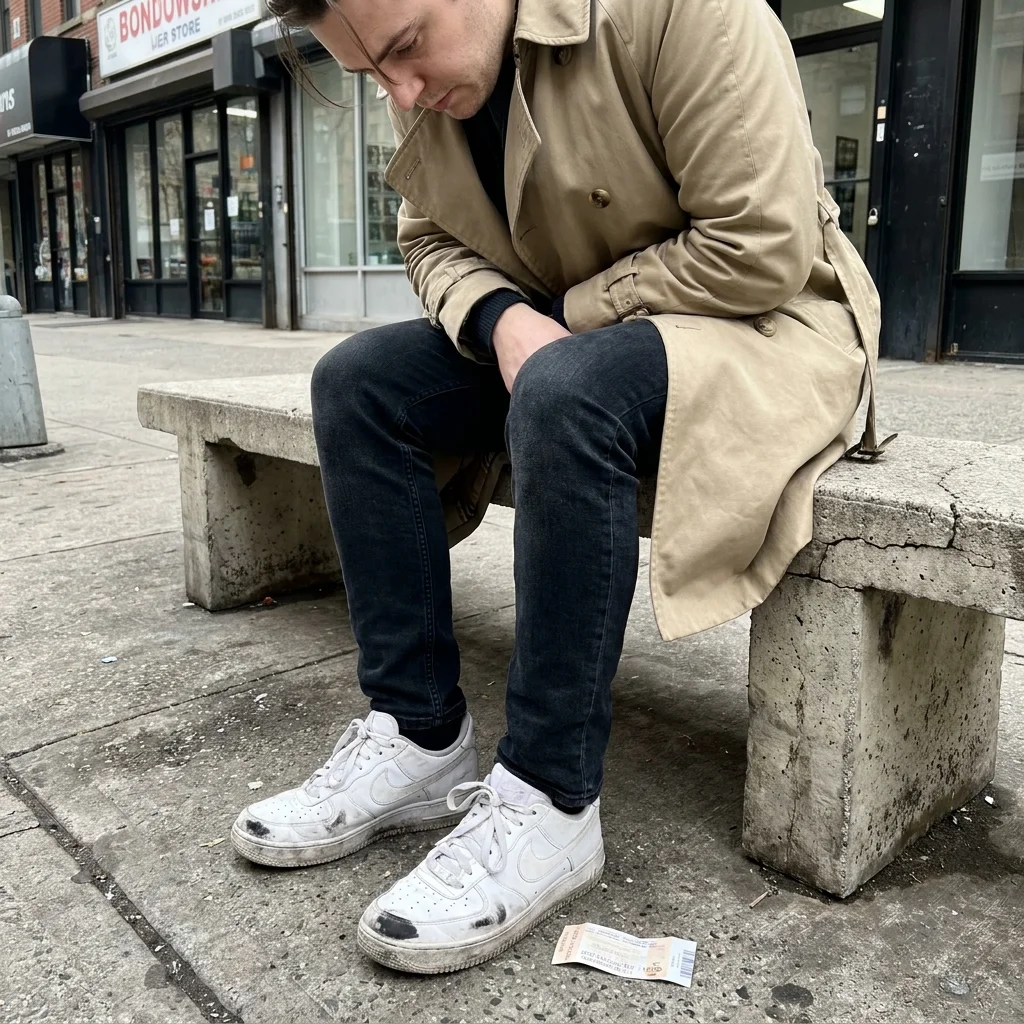
Bright white sneaker rims and pristine leather toes anchor a clean aesthetic. Allowing scuff marks and dirt to accumulate on your footwear creates a sloppy foundation that distracts from even the most expensive garments in your wardrobe.
11. Leaving Dangling Seam Threads

You might buy a beautiful piece of clothing, but uncut strings ruin the illusion of quality. Take a few seconds to snip away any stray threads along the seams and buttonholes before you leave the house.
12. Wearing Faded Black Dyes

Black garments look incredibly chic when they are deeply saturated. Once your dark cotton shirts and trousers start taking on a dull grayish hue, they lose their sophisticated edge. Keep your darks rich with specialized laundry detergents and cold-water washes.
Small visible misses (13-18)
The final six are the small public-facing slips you can spot in the bathroom mirror three minutes before walking out: a chalky deodorant streak, a sticker still on the sole, a hair tie around the wrist. Most are zero-cost fixes. The polish-versus-flash trade-off lives at the heart of broader trends, which we cover in our 2026 fashion year ahead overview.
13. Settling for Flimsy Plastic Buttons
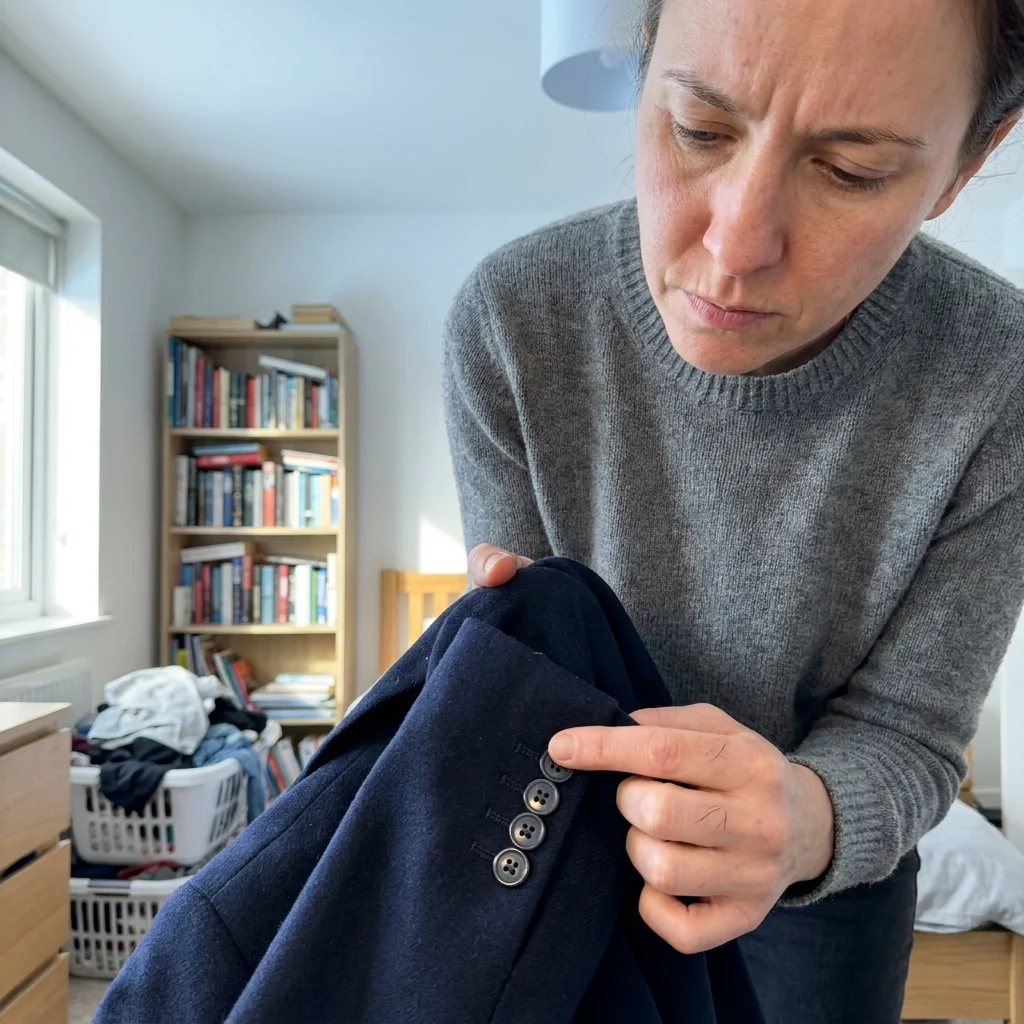
Mass-produced garments often feature shiny fasteners that give away the low price tag. You can quickly upgrade a budget-friendly blazer by swapping out the basic factory hardware for genuine horn, metal, or faux pearl replacements. Heritage buttons appear throughout our plus size old money outfit ideas for the same reason: real materials carry visible weight.
14. Ignoring White Deodorant Streaks

Rushing to get dressed often results in chalky white marks smeared across the sides of your dark tops. Always double check your underarm area in a brightly lit mirror. A quick rub with a damp cloth erases these careless smudges.
15. Retaining Adhesive Shoe Stickers

Nothing shatters the illusion of a luxury outfit quite like a yellow clearance sticker flashing from the bottom of your arch. Always peel off every barcode and price tag from your outsoles before stepping out in a new pair of shoes.
16. Displaying Wrist-Bound Hair Ties

Keeping a basic black elastic stretched around your wrist downgrades an otherwise polished outfit. It breaks up the line of your arm and looks like an afterthought. Swap that utilitarian band for a proper metallic bangle or keep your hair accessories stashed safely inside your handbag.
17. Tolerating Yellowed Sweat Stains

White blouses and tees lose their crisp appeal the moment oxidation turns the underarms or collar dingy. You might not notice this subtle color shift in dim bedroom lighting. Always check your bright whites in natural sunshine and retire any garments that have lost their original pristine hue. If you are not sure whether the fit was right to begin with, our women's clothing size chart covers measuring technique and how brands cut differently.
18. Flaunting Scratched Eyewear Lenses
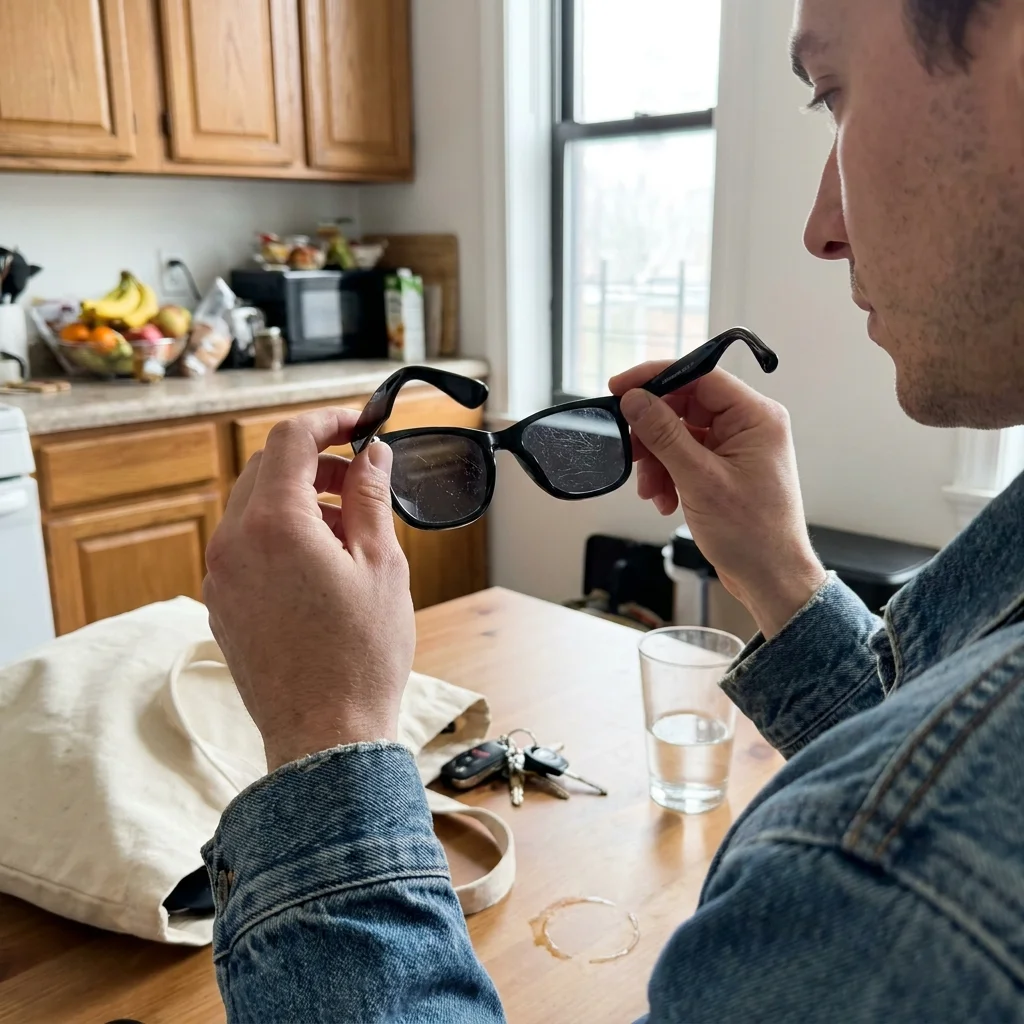
Tossing your sunglasses loosely into a tote bag practically guarantees tiny abrasions across the glass. Those surface scratches catch the light and make luxury frames look incredibly cheap. Always use a proper microfiber pouch or hard protective case to maintain that flawless reflective finish.
The total time cost: under thirty minutes per week
Treated separately, none of these fixes is dramatic. Treated as a routine, they compound. Fifteen minutes on a Sunday evening covers the maintenance work (shoe polish, fabric shaver, button checks, depilling). A two-minute lint-roll and mirror check before walking out covers the daily layer. Factory leftovers like tack stitches and stickers are one-time fixes per new garment. The questions below cover the practical details readers ask next, including the household products that work as well as specialty cleaners, when to retire a stained item versus salvage it, and how to rescue leather goods that have been ignored for years.
Frequently Asked Questions
What household products work as well as specialty fabric cleaners?
White vinegar removes yellow sweat stains from white cotton (soak shirts in a 1:4 vinegar-water mix for 30 minutes before washing). Baking soda paste lifts deodorant streaks (mix with water, dab on, let sit five minutes). Lemon juice plus sunlight brightens dingy whites. Rubbing alcohol on a cotton swab cleans hardware tarnish. None replaces a real shoe polish or leather conditioner, but for laundry and grooming touch-ups, household products do the work.
When should I retire a white shirt instead of trying to save it?
If the underarm yellowing extends more than two inches outward from the seam, the oxidation has bonded with the fabric and no amount of cleaning will restore the original white. The same goes for permanent collar staining that survives two oxygen-bleach treatments. At that point the shirt becomes a layering piece under sweaters or a paint shirt, not a public-facing garment.
How do I rescue leather shoes or a bag that has been ignored for years?
Start with a clean cloth and saddle soap to remove built-up dirt. Once fully dry (24 hours minimum), apply a thin layer of mink oil or leather conditioner with your fingers, working it into the surface until absorbed. Repeat once a week for three weeks. Severely cracked leather will not return to new condition, but the conditioning will restore most of the suppleness and stop further deterioration. For lighter neglect, a single conditioning session is enough.
How do I revive faded black clothes?
Specialty dye products like Rit DyeMore work for synthetics, while Dharma Trading dyes restore cotton and linen blacks. For minor fade, switching to a dark-clothing detergent and washing in cold water can prevent further fading; it will not reverse existing fade. The honest answer for severely faded pieces is that re-dyeing rarely matches the original depth, so heavily faded blacks are better donated than restored.
What is the basic maintenance toolkit, and what does it cost?
A fabric shaver (around $15), a small jar of leather conditioner ($10), neutral shoe polish and a brush ($12 combined), a sticky lint roller (under $5), a steamer or travel iron ($30-50), and a pack of replacement heel caps from a cobbler ($15-30 per pair installed). Total starter cost is under $100, and the items last for years. The single highest-return item is the fabric shaver.
How often should I replace the heel caps on my shoes?
For everyday shoes, replace heel caps every six to nine months if you walk on hard surfaces daily. For occasional-wear shoes, watch for the rubber cap thinning to about half its original height or the underlying metal or plastic peeking through. A cobbler can usually replace caps while you wait for $15-30 per pair. Waiting too long ruins the entire heel block, which costs many times more to repair.
Does spot cleaning actually work, or is dry cleaning always required?
Spot cleaning works on fresh stains and limited fabric types. Cotton, denim, and most synthetic blends respond well to spot treatment with cold water and the right cleaner. Silk, wool, and structured pieces with linings (blazers, coats) need dry cleaning because the fabrics warp or shrink with home water exposure. The general rule: if the care label says "dry clean only," do not attempt spot cleaning with water. If it says "dry clean recommended," small spots can usually be handled at home.
